

If you’ve just had a baby and are looking for tips on how to sit because you’re feeling more than just a tad sore down there – you’re in the right place. But firstly, congratulations are in order to you for birthing a human into the world. You have just done something amazing and you deserve all the care in the world whilst you navigate your postpartum recovery.
Now, let’s get to it. If you’ve had an episiotomy, sitting down can feel very uncomfortable – along with everything else you’re probably also dealing with. Knowing how to sit comfortably after an episiotomy can make a big difference to your postpartum experience so let’s dive in to some things that can help.
Jump to…
Why is sitting after an episiotomy so painful?
An episiotomy involves a surgical cut made in the perineum during childbirth to prevent severe tearing. It’s stitched up afterward, but as your body heals, the area can feel super tender, swollen, and tight.
The NHS estimates that about 12% of vaginal deliveries in the UK involve an episiotomy. Recovery is estimated to take around 2-4 weeks but that time period really does vary depending on your personal circumstances so be sure to keep in regular contact with your midwife. Sitting down doesn’t have to feel like an ordeal during that recovery time though.
What is the most comfortable position after an episiotomy?
Many women report that sitting is one of the most challenging parts of recovery after an episiotomy, due to pain and discomfort. Finding a comfortable way to sit after an episiotomy and using supportive cushions can significantly ease the healing process. Here are five top tips…
1. Sit on your side
Instead of sitting upright, lean onto one side. Sounds obvious but in a very sleep-deprived state with a baby resting on you, you might find this simple tip the easiest one to do. This position works well because it keeps direct pressure off the stitches and allows you to find an angle that’s the most comfortable for you.
Pro tip: Use pillows for extra support and remember to switch sides every now and then to avoid pins and needles.
2. Keep it soft and cushy
The surfaces you sit on matter. Avoid hard chairs or benches and opt for something soft. A padded dining chair, sofa, or even a folded blanket can make all the difference.
3. Take breaks from sitting
Staying in one position for too long can make the area feel worse. Try alternating between sitting, standing, and lying down. This helps improve blood circulation and speeds up healing.

4. Get up slowly
Standing up quickly can accidentally pull on your stitches (and cause you to howl because, yes, the pain is real).
When you’re ready to move, lean forward slightly, place your hands on your thighs or a chair, and push up gently. Where possible, if you’re holding the baby whilst sitting, try to offload them to your partner or someone else before standing to reduce the pressure on your perineum.
It might feel like slow motion, but trust us—it’s worth it to avoid sudden pain.
5. Consider a valley cushion
Sitting on a valley cushion (a cushion that leaves a gap in the middle) can help improve the healing process. The idea is that the space for the ‘valley’ will help take the pressure off your perineal area. This style of cushion should help you sit more comfortably without putting any additional strain on an area that is already feeling quite tender. Use it for short bursts and no longer than 30 minutes each time.
If you don’t have a cushion, try folding two cushions, leaving a valley-like space in the middle, and placing them under your thighs instead (like the image below). The same would work with two big, folded towels. It’s a quick DIY fix that really can work wonders.

Pain relief while sitting
Figuring out how to sit after an episiotomy shouldn’t hurt as much with a few simple tricks:
- Cold packs: Wrap an ice pack or chilled gel pack in a soft cloth and place it on the area for 20 minutes. It reduces swelling and numbs the pain. Alternatively, this instant ice pad from Frida Mom offers very effective cooling relief.
- Painkillers: The NHS suggests paracetamol or ibuprofen for postpartum pain relief. Make sure to check with your GP or midwife if you’re breastfeeding but they’re generally considered safe to use.
- Water: Drink plenty of water to stay hydrated so that your urine is diluted. This will reduce the chances of it stinging when you do have a wee. It might also be helpful to pour warm water from a jug over your perineum when you use the toilet to also reduce any stinging.
- Warm Sitz Baths: A sitz bath for an episiotomy is a great way to reduce throbbing in the perineal area and keep it clean. This means soaking your perineal area in warm water for 10-15 minutes. It soothes the stitches and makes sitting easier afterward. It can be in a shallow bath or by using a sitz bath over the toilet.
Try different positions
Trying to find how to sit after an episiotomy whilst breastfeeding can feel tricky (to say the least). Try different positions, including lying down and take a break if it all starts to feel too much. Try these positions which are recommended for helping to keep the pressure off the perineum while feeding your baby:
Side-Lying Position
Lie on your side with your baby beside you. This keeps you off your stitches entirely.

Football Hold
Place your baby under your arm with their body supported by a cushion next to you. This reduces the need to lean forward or sit upright.
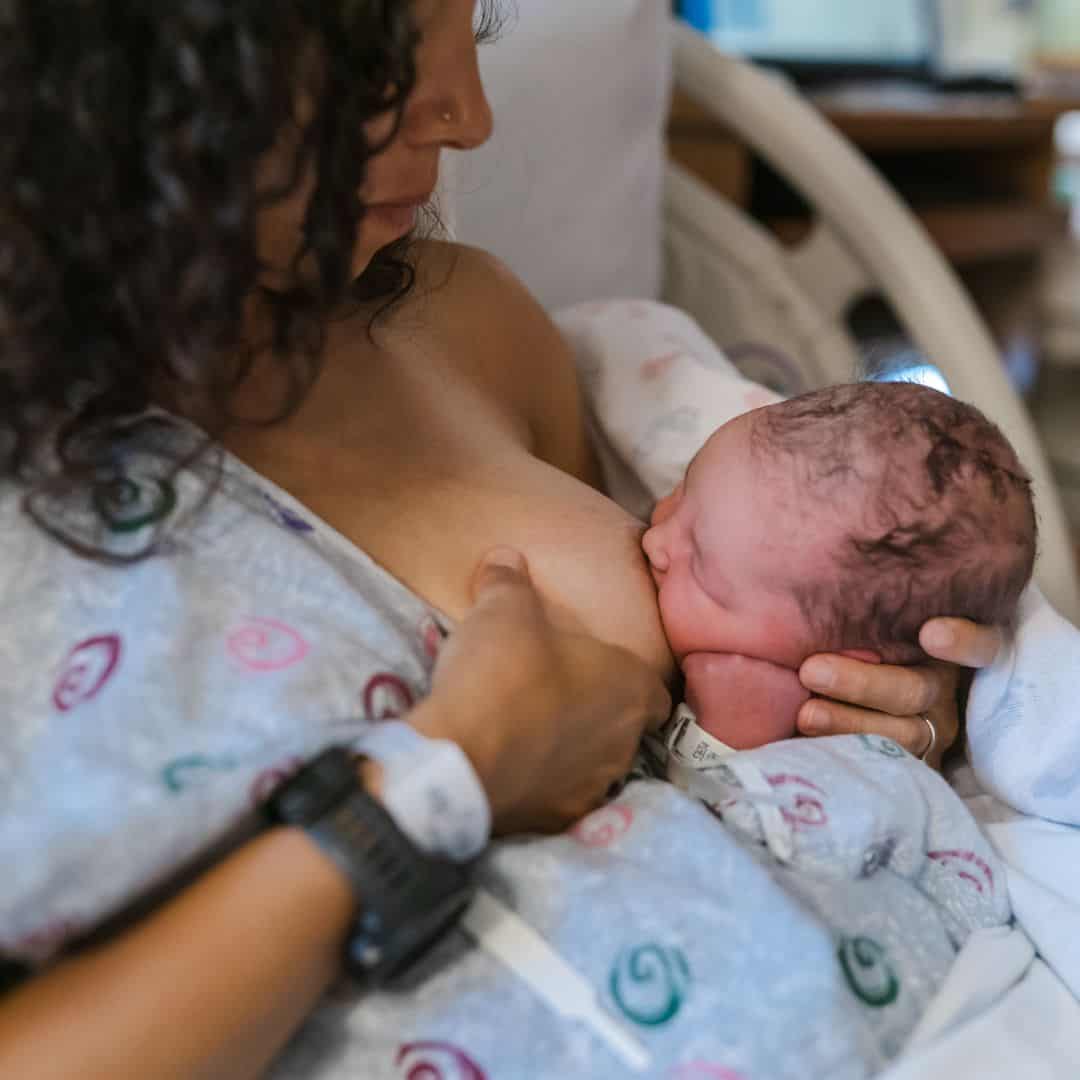
Trying to figure out a comfortable position to feed whilst also trying to not aggravate your stitches is a bit trial and error. Ask your midwife, health visitor or a lactation consultant to help you find a position that works for both you and your baby.
When does an episiotomy stop hurting?
We’re not going to gaslight you, recovery after an episiotomy can really hurt. Soreness and discomfort for the first few days and weeks is considered normal. You might also experience some itching as your stitches dissolve. The NHS suggests that most stitches heal within 2-4 weeks but this time scale can vary, especially if you also experienced a tear as well.
If the pain is really bad, worsens over time, or you notice redness, swelling, or a bad smell around the area, contact your GP or midwife. These could be signs of an infection, and it’s important to get them checked as soon as possible.
How long before sitting feels normal again?
Most women start to feel more comfortable sitting after around two weeks. But two weeks in early postpartum days can feel like a really long time. It may not be that realistic, especially if you have other children, but lying down as much as possible is one of the best ways to help the area heal.
Take things slowly and listen to your body. You’ve been through a lot and healing the perineum, like any part of the body, does just take time.
What helps an episiotomy heal faster?
While there’s no magic cure, these little things can help speed up the healing process after an episiotomy and make sitting less painful:
- Stay hydrated and eat fibre: Constipation can add pressure to your stitches (the last thing you want is any straining down there). Drink plenty of water and eat fibre-rich foods like oats, fruits, and veggies.
- Do pelvic floor exercises: If you thought pelvic floor exercises were just for when you were pregnant, you were very much mistaken my friend. These gentle exercises improve circulation in the perineum and strengthen the muscles around your stitches. Start slow and increase the length of your hold as you heal. If you’re not already using the Squeezy app, get it downloaded asap.
- Wear loose clothing: Don’t pack away your maternity clothes just yet as they can be the best thing for recovery. Tight jeans or leggings are a serious no-no as they can irritate the tender area. Keep it loose and breathable – think cottons, bamboo or linens.

Episiotomy stitches recovery
Recovering from episiotomy stitches isn’t just about physical healing—it’s about caring for your mental health too. It’s okay to feel frustrated, overwhelmed or even angry about having had an episiotomy.
Take time for yourself whenever possible. Watch some Netflix, have a cuppa, and ask for specific help with things so you can have a well-deserved break.
Talking to other mums can also help. Joining a local mum-and-baby group or connecting online can remind you that you’re not alone in this recovery journey – because you’re really not!
Final thoughts
Recovering from an episiotomy takes patience and care, but sitting doesn’t have to be a nightmare. By using cushions, adjusting your positions, and taking breaks, you can stay as comfortable as possible during this really important healing phase.
Remember, your body has done something amazing—give it the time and love it needs to recover. And don’t hesitate to reach out for support, whether from your partner, friends, or healthcare team.
You’re doing an incredible job, mama. Sitting comfortably is just one step on this journey, and you’re absolutely capable of conquering it.
FAQs
Why is sitting uncomfortable after an episiotomy?
Sitting places direct pressure on the perineum, where the stitches are located, which can cause pain and discomfort during recovery. Swelling and tenderness in the area often exacerbate this discomfort.
What positions should you avoid after an episiotomy?
After an episiotomy, avoid positions that put pressure on the perineal area or strain the incision. Such positions include deep squats, cross-legged sitting or anything with a hard surface.
Sources
https://www.nhs.uk/pregnancy/labour-and-birth/what-happens/episiotomy-and-perineal-tears
https://kingstonhospital.nhs.uk/wp-content/uploads/2019/12/post-natal-booklet.pdf
https://www.mkuh.nhs.uk/patient-information-leaflet/perineal-care
https://maternityandmidwifery.co.uk/postpartum-perineal-care-valley-cushion/
https://www.unicef.org/parenting/food-nutrition/breastfeeding-positions
Birthbabe is supported by the beautiful babes who enjoy our content. We only recommend products used and approved by mamas, however we may receive an affiliate commission.
Birthbabe does not provide medical advice, diagnosis, or treatment. The resources on our website are provided for informational purposes only. You should always consult with a healthcare professional regarding any medical diagnoses or treatment options.


