You’re heading out with your baby and the sun is actually doing something for once. Before you reach for the nearest SPF, there are a few things worth knowing – because baby skin is not the same as adult skin, and what you put on it matters more than the bottle might suggest.
Can you put sunscreen on a baby?
The short answer is: it depends on their age.
The NHS advises that babies under six months should be kept out of direct sunlight altogether. This is because their skin is thinner, more absorbent, and significantly more sensitive than older babies and adults. Sunscreen is not recommended as the first line of protection for newborns and young babies. Shade, clothing and hats are the safest approach for the first six months.
For babies over six months, sunscreen is appropriate and recommended when UV exposure is unavoidable, but the type of sunscreen matters.
Want more like this? Subscribe to Birthbabe Magazine to get all the latest news, research and stories.
Why baby skin needs special care
Baby skin has a thinner outer layer than adult skin, meaning it absorbs substances more readily and is more vulnerable to irritation and reaction. It also has a higher surface-area-to-body-weight ratio, which means a larger proportion of whatever is applied to the skin can be absorbed into the body. This is why the ingredients in baby sunscreen matter, not just the SPF number.
The Skin Cancer Foundation and most paediatric dermatologists recommend mineral sunscreens for babies rather than chemical ones, for exactly this reason.
Mineral vs chemical sunscreen: what’s the difference?
This is the most important distinction to understand when choosing sunscreen for a baby.
Mineral sunscreens (also called physical sunscreens) contain active ingredients zinc oxide or titanium dioxide. They work by sitting on top of the skin and physically reflecting UV rays away. They are less likely to cause skin irritation, less likely to be absorbed into the bloodstream, and are generally considered the safer choice for young and sensitive skin. They are also reef-safe, which matters less in a baby context but is worth knowing.
Chemical sunscreens contain ingredients like oxybenzone, octinoxate, avobenzone and homosalate. They work by absorbing UV rays and converting them to heat. They tend to be more cosmetically elegant (easier to rub in, less white cast) but they are more likely to cause irritation on sensitive or baby skin, and there are ongoing questions about systemic absorption of some chemical filter ingredients. The FDA in the US, for example, has flagged several chemical sunscreen ingredients as requiring more safety data. While they remain widely used and considered safe for adults, mineral is the more cautious choice for babies.
For babies: choose mineral. Zinc oxide is the gold standard.
What SPF does my baby need?
SPF 30 blocks approximately 97% of UVB rays. SPF 50 blocks approximately 98%. The difference between 30 and 50 is smaller than most people think -what matters more is application and reapplication.
For babies and young children, SPF 50 or 50+ is generally recommended, combined with broad spectrum protection. This means it covers both UVA and UVB rays. In the UK, look for a product with at least four stars for UVA protection alongside the SPF rating.
How to apply sunscreen to a baby
Apply generously. Most people significantly under-apply sunscreen, which dramatically reduces its effectiveness. For a baby you are covering a small surface area but the principle is the same: more is more.
Apply at least 20 to 30 minutes before going outside so it has time to form a proper protective layer. Pay particular attention to the backs of hands, tops of feet, ears, back of the neck, and any areas not covered by clothing. These are the spots that get caught in the sun and are easy to miss.
Reapply every two hours and immediately after water exposure, even if the product claims to be water resistant. Water resistant does not mean waterproof.
Do a patch test before first use. Apply a small amount to the inside of the wrist or behind the ear and wait 24 hours to check for any reaction.
When to apply sunscreen
Any time the UV index is 3 or above, sun protection is needed. In the UK this is typically from April through to September, and between the hours of 11am and 3pm when UV rays are strongest. However UV can be high on cloudy days too as cloud does not block UV effectively. If you’re unsure, check the UV index in your weather app before heading out.
Sunscreen for sensitive skin
If your baby has eczema, dry skin or known skin sensitivities, mineral sunscreen is even more important. Look for fragrance-free, preservative-free formulas with as short an ingredient list as possible. Zinc oxide-based products tend to be the most tolerable for reactive skin. Patch testing is particularly important for sensitive skin babies.
If your baby has eczema, apply any prescribed emollient first, wait 30 minutes, and then apply sunscreen on top. This is the order recommended by dermatologists: emollient first, sunscreen second.
Brands worth knowing for sensitive skin include Altruist Baby, Soltan Baby, Mustela, La Roche-Posay Anthelios Dermo-Pediatrics and Green People Organic Children. Always check ingredients and patch test regardless of brand.
The non-negotiables
Sunscreen is one layer of protection but it’s not the whole strategy. For babies especially, physical barriers are more reliable than sunscreen alone.
A wide-brimmed hat that covers the face, ears and back of the neck is essential. A cap is not enough as the brim needs to go all the way around.
UPF-rated clothing (the fabric equivalent of SPF) is worth investing in for summer. Regular cotton provides approximately UPF 5 to 7, while UPF 50+ clothing blocks over 98% of UV rays. For babies who are going to be in and around water or spending extended time outside, a UPF swim suit and hat is definitely worth your money.
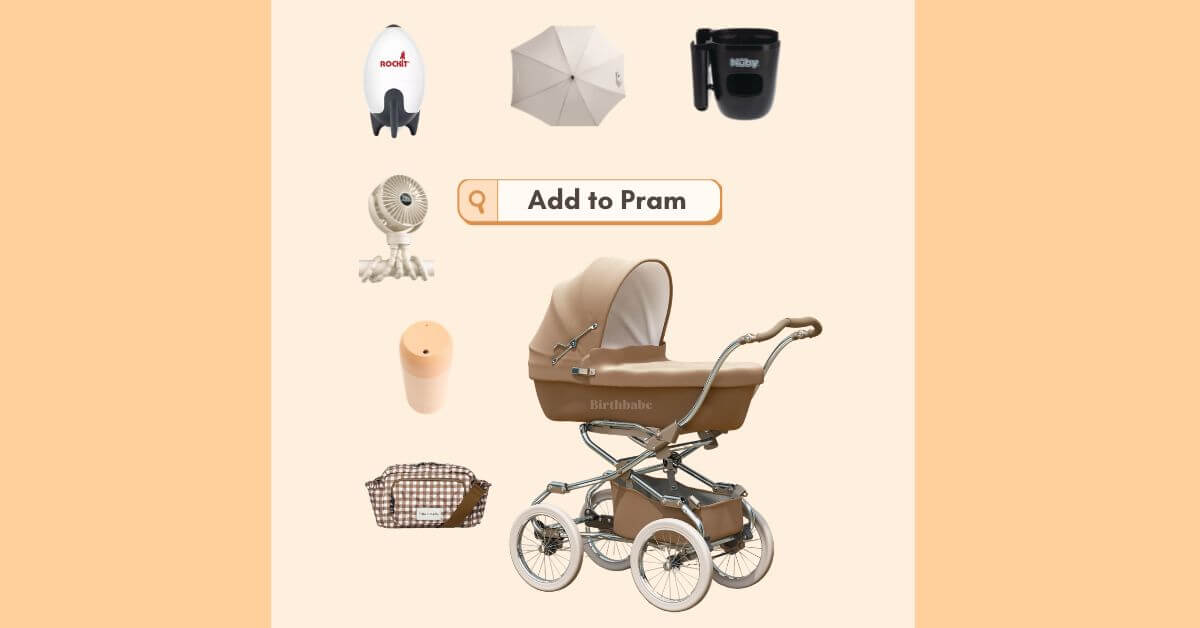
Your pram parasol and UPF sun shade matter here too. The inside of a pram can heat up significantly in direct sun; use a parasol or UPF shade rather than draping a muslin over the pram, which restricts airflow and can raise the temperature inside.
Stay in the shade between 11am and 3pm wherever possible. This is the simplest and most effective protection of all.
What if I have to apply to sunscreen to a baby under six months?
The NHS advice is clear: keep babies under six months out of direct sun. But there are situations where this is genuinely unavoidable, such as a long outdoor event, a holiday, an unexpected day where the sun is stronger than expected.
If you have to apply sunscreen to a baby under six months, the safest approach is a fragrance-free, mineral-only zinc oxide sunscreen applied to small exposed areas only, such as face, hands, feet while keeping as much of the body covered with UPF clothing and shade as possible.
Always consult your GP or health visitor if you’re not sure.
FAQs
Can I use adult sunscreen on my baby? It’s not recommended. Adult sunscreens are more likely to contain chemical filters, fragrances and preservatives that can irritate baby skin. Use a product specifically formulated for babies or young children, or a fragrance-free mineral sunscreen.
What does broad spectrum mean? It means the sunscreen protects against both UVA rays (which cause skin ageing and contribute to skin cancer) and UVB rays (which cause burning). Always choose broad spectrum. In the UK look for four or five UVA stars alongside the SPF rating.
Is SPF in moisturiser enough? No. SPF in daily moisturiser is not applied in sufficient quantities to provide the protection the SPF number suggests, and it is not designed to withstand the conditions of being outside in the sun. Use a dedicated sunscreen product.
My baby hates having sunscreen applied. What do I do? Make it part of the getting-ready routine from early on so it becomes normal. Warm the product in your hands first. Use a formula with a light texture; some baby sunscreens are quite thick and sticky which babies understandably dislike. Stick sunscreens are easier for wriggly faces. Distraction helps – you need to win this battle.
Does sunscreen expire? Yes. Check the PAO symbol (the open jar icon) which indicates how long a product is safe to use after opening. Most sunscreens are 12 months. An expired sunscreen may not provide the protection stated on the label.
Can sunscreen cause vitamin D deficiency in babies? This is a common concern and the evidence does not strongly support it as most people get sufficient vitamin D from incidental sun exposure even when using sunscreen. However the NHS recommends vitamin D supplements for all babies from birth to one year, and from one to four years for children who don’t get enough through diet. This is separate from and in addition to sun protection, not instead of it.
What about sunscreen sprays? Avoid sprays for babies and young children. The risk of inhalation is a concern, and sprays are harder to apply evenly and in sufficient quantity. Lotion or cream is safer and more effective.
When can I stop worrying about all of this? Never, honestly, but it definitely gets easier. Sun protection becomes habit and once you have a system it takes minutes. The early vigilance is worth it.
The bottom line
Under six months: shade, clothing, wide-brimmed hat. Sunscreen only if truly unavoidable, mineral only, zinc oxide, fragrance-free.
Over six months: SPF 50+ broad spectrum mineral sunscreen, applied generously, reapplied every two hours, combined with a hat, UPF clothing where possible, and shade during peak hours.
Your skin needs protection too, so make sure you’re also topping up your SPF too.
Sources
- NHS: Sun safety
- NHS: Vitamin D
- Skin Cancer Foundation
- British Association of Dermatologists
- Cancer Research UK
Image: Supplied
Birthbabe is supported by the beautiful babes who enjoy our content. We only recommend products we genuinely rate. We may receive an affiliate commission.
Birthbabe does not provide medical advice, diagnosis, or treatment. The resources on our website are provided for informational purposes only. You should always consult with a healthcare professional regarding any medical diagnoses or treatment options. For general purposes only.